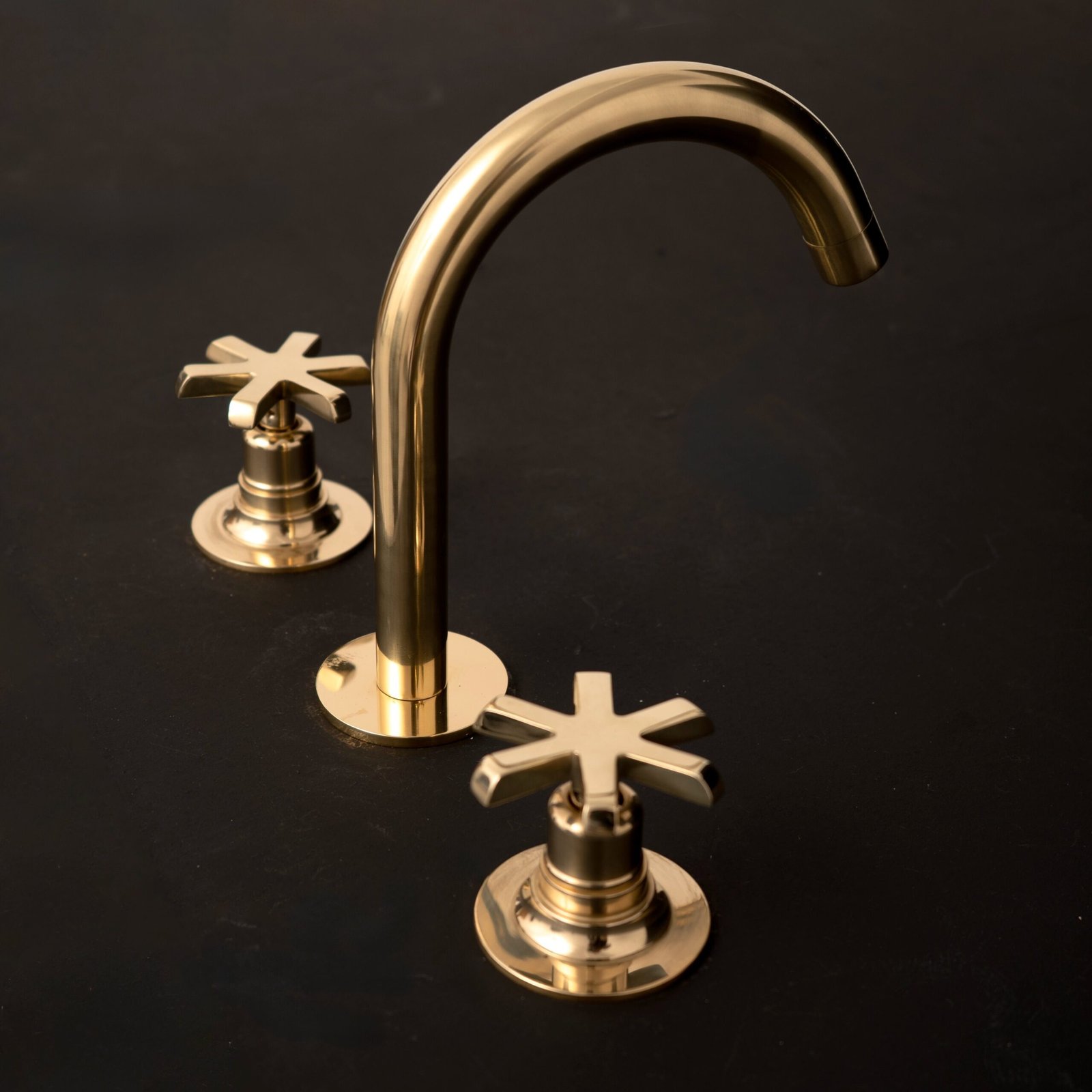
How to Clean and Maintain Unlacquered Brass Fixtures: A Complete Guide
Unlacquered brass fixtures bring warmth, character, and timeless elegance to kitchens and bathrooms. Unlike lacquered brass, which is protected by a clear surface coating, unlacquered brass is left unfinished so the metal can react naturally with air, water, and everyday use. Over time, this process creates a distinctive patina that makes every fixture unique.
However, knowing how to clean and maintain unlacquered brass fixtures is essential if you want to preserve their beauty, prevent unwanted buildup, and help them last for years. Whether you have an unlacquered brass bathroom faucet, a kitchen faucet, a shower system, or brass bathtub hardware, the right care routine can make a significant difference.
In this guide, Brassena explains how to clean unlacquered brass, maintain its natural finish, remove water spots, understand patina, and avoid common cleaning mistakes.
What Is Unlacquered Brass?
Unlacquered brass is brass that has not been sealed with a protective lacquer or clear coating. Because the metal remains exposed to its surroundings, its appearance changes naturally over time.
Freshly polished unlacquered brass often has a bright, golden appearance. As it reacts with oxygen, moisture, fingerprints, soap, and other environmental factors, it gradually develops a deeper color and a natural patina.
This evolving finish is one of the main reasons homeowners, interior designers, and architects choose unlacquered brass fixtures for luxury bathrooms and kitchens.
Unlike a factory-sealed finish designed to remain visually consistent, unlacquered brass develops character through use. Some homeowners appreciate the darker, aged appearance, while others prefer to maintain a brighter, more polished look.
If you are exploring premium brass hardware for your home, visit Brassena to discover brass faucets and fixtures designed to bring lasting character to interior spaces.
Why Proper Maintenance Matters
Although unlacquered brass is valued for its durability and natural appearance, it still requires appropriate care. Daily exposure to water, cleaning products, toothpaste, soap, and oils from your hands can affect its surface.
Regular, gentle maintenance helps you:
- Remove water spots and soap residue before they accumulate.
- Keep faucets and handles clean and comfortable to use.
- Reduce the risk of stubborn mineral deposits.
- Preserve the natural appearance of the brass.
- Control how quickly the finish develops its patina.
- Avoid unnecessary polishing and aggressive cleaning.
The most important principle is simple: clean unlacquered brass gently and consistently rather than relying on harsh products or intensive polishing.
How to Clean Unlacquered Brass Fixtures Step by Step
For routine maintenance, you usually do not need expensive cleaning products. A soft cloth, warm water, and a small amount of mild dish soap are often sufficient.
Step 1: Prepare a Gentle Cleaning Solution
Mix warm water with a few drops of mild, pH-neutral dish soap in a small container. Avoid strong detergents, abrasive powders, and products formulated specifically for removing heavy tarnish unless the fixture manufacturer confirms they are suitable.
If your faucet has additional materials, such as stone, ceramic, or decorative components, check their individual care requirements before cleaning.
Step 2: Wipe the Surface With a Soft Cloth
Dip a clean microfiber cloth into the solution and wring it out so it is damp rather than dripping wet.
Gently wipe the faucet body, handles, spout, and other exposed brass surfaces. Pay attention to areas where fingerprints, soap residue, and water droplets commonly collect.
Do not use steel wool, scouring pads, rough sponges, or stiff brushes. These can scratch the surface and create an uneven appearance.
Step 3: Remove Soap Residue
Use another soft cloth dampened with clean water to remove any remaining soap. Leaving cleaning products on the brass may cause streaks or unwanted residue.
Avoid soaking the fixture or allowing water to collect around joints, handles, mounting points, and decorative details.
Step 4: Dry the Fixture Thoroughly
Dry the entire surface with a clean, soft microfiber cloth.
This is particularly important in bathrooms with hard water, where evaporation can leave visible mineral deposits. Drying the fixture after use also helps reduce water spotting.
For the best results, make drying part of your daily bathroom or kitchen routine.
Step 5: Inspect the Finish
After cleaning, examine the fixture under normal lighting. Look for mineral buildup, persistent discoloration, or areas where the finish appears different from the surrounding brass.
Remember that natural variations in color are normal. Unlacquered brass does not need to look perfectly uniform to be clean or well maintained.
How to Remove Water Spots From Unlacquered Brass
Water spots are among the most common concerns for homeowners with unlacquered brass bathroom faucets and kitchen fixtures.
They usually appear when water evaporates and leaves behind dissolved minerals. Hard water can make these marks more noticeable.
To remove fresh water spots:
- Dampen a soft microfiber cloth with clean water.
- Gently wipe the affected area.
- Dry the surface immediately with a separate cloth.
- Repeat if necessary, without applying excessive pressure.
For stubborn mineral deposits, avoid automatically reaching for vinegar, lemon juice, or commercial limescale removers. Acidic cleaners can alter the brass surface and remove patina, sometimes producing uneven color changes.
If deposits remain, consult the fixture manufacturer’s care instructions or seek advice from a professional familiar with unlacquered brass.
Prevention is often easier than removal. Wiping down faucets after showers, handwashing, or kitchen use can significantly reduce mineral buildup.
How to Maintain the Natural Patina of Unlacquered Brass
One of the defining features of unlacquered brass is its ability to develop a natural patina.
Patina is the gradual change in surface appearance that occurs as brass interacts with its environment. Depending on humidity, water quality, handling, cleaning habits, and exposure to air, the finish may become darker, warmer, or more varied.
Allow the Brass to Age Naturally
If you appreciate an authentic, lived-in appearance, you can let the patina develop without frequent polishing.
Clean the fixture when necessary with mild soap and water, then dry it thoroughly. Avoid using products designed to restore a bright, mirror-like shine.
The result is a finish that evolves with your home and everyday routines.
Understand That Patina May Be Uneven
Handles, spouts, and frequently touched areas may develop different shades because they experience different amounts of moisture and contact with skin.
This variation is a normal characteristic of an unfinished brass surface. It does not necessarily indicate poor quality or damage.
Avoid Trying to Keep Every Area Identical
Repeatedly polishing individual spots to match the surrounding surface can create noticeable differences in color and shine.
If you prefer the natural appearance of unlacquered brass, allow the finish to evolve rather than attempting to maintain a perfectly uniform golden color.
For homeowners designing a coordinated interior, Brassena offers a starting point for exploring premium brass fixtures that complement a variety of bathroom and kitchen styles.
How to Restore the Bright Gold Appearance of Unlacquered Brass
Some homeowners prefer the bright, polished appearance of newly installed brass fixtures. If that is your preference, occasional polishing may be appropriate, provided the manufacturer permits it.
Before polishing, remember that the process removes or changes the existing surface patina. It can also create a brighter finish that differs from surrounding fixtures.
Use a Brass Polish Only When Appropriate
Choose a polish specifically intended for brass and verify that it is suitable for your particular fixture. Follow the manufacturer’s instructions carefully, including any restrictions for decorative finishes or mixed-material components.
Test the product on a small, inconspicuous area first. This helps you evaluate how the brass responds before treating the entire fixture.
Polish Gently
Use a soft cloth and apply only the amount of pressure recommended by the product manufacturer. Avoid aggressive rubbing, abrasive compounds, and repeated polishing of the same area.
Once the desired appearance is achieved, remove any polish residue according to the product instructions and dry the surface thoroughly.
Expect the Patina to Return
Unlacquered brass will generally begin changing again after polishing because its surface remains exposed to the environment.
This is not a defect. It is part of the material’s natural behavior.
If you want a finish that remains consistently bright with minimal visual change, discuss alternative finishes with your supplier before purchasing.
Cleaning Unlacquered Brass Bathroom Faucets
Bathroom faucets face frequent exposure to water, soap, toothpaste, skincare products, and humidity. A simple routine can help prevent residue from accumulating.
For daily care, wipe the faucet with a soft, dry cloth after use whenever practical. For routine cleaning, use mild soap and water, rinse away residue, and dry the surface.
Pay particular attention to the base of the faucet, the area around the handles, and the joints where water can collect.
Avoid spraying bathroom cleaners directly onto brass fixtures. Products intended for glass, tile, toilets, or shower enclosures may contain ingredients that are unsuitable for unfinished brass.
Instead, apply an appropriate cleaning solution to your cloth and clean the fixture separately.
When planning a bathroom renovation, explore Brassena’s brass bathroom fixtures for inspiration on incorporating warm metallic finishes into a refined design.
Cleaning Unlacquered Brass Kitchen Faucets
Kitchen faucets often experience more frequent handling than bathroom fixtures. Cooking oils, food residue, dish soap, and fingerprints can accumulate around the handle and spout.
After preparing food or washing dishes, wipe away visible residue with a damp cloth. If needed, use a mild dish soap solution, then rinse and dry the brass thoroughly.
Avoid leaving acidic food substances, such as lemon juice or vinegar, on the surface. These substances can affect the appearance of exposed brass.
Do not use the faucet as a support for heavy cookware or apply excessive force to its handles. Good everyday handling is just as important as cleaning.
For a coordinated kitchen design, visit Brassena to explore faucet styles that complement traditional, transitional, and contemporary interiors.
Common Cleaning Mistakes to Avoid
Even well-intentioned cleaning habits can change the appearance of unlacquered brass. Avoid these common mistakes.
Using Vinegar or Lemon Juice Without Checking Compatibility
Vinegar and lemon juice are often recommended for household cleaning, but their acidity can react with brass. They may remove patina, create discoloration, or produce an uneven finish.
Use them only if the fixture manufacturer explicitly approves the method.
Using Abrasive Sponges or Scouring Pads
Abrasive tools can scratch exposed brass and leave marks that are difficult to blend into the surrounding surface.
Choose microfiber cloths or other soft, nonabrasive materials instead.
Applying Harsh Chemical Cleaners
Bleach, strong acids, ammonia-based products, and aggressive commercial cleaners may damage finishes or nearby materials. Never mix cleaning chemicals, and always follow product safety instructions.
When the manufacturer’s care guidance is unavailable, stick to mild soap and water until you can confirm a suitable cleaning method.
Polishing Too Frequently
Frequent polishing can continually remove patina and create a bright finish that requires repeated attention.
Decide whether you prefer natural aging or a polished appearance, then establish a care routine that supports your preference.
Leaving Water to Air-Dry
Water droplets can leave mineral spots, especially in areas with hard water. Drying the surface after cleaning helps reduce this problem.
Ignoring Manufacturer Instructions
Not every brass-colored fixture is made from solid, unfinished brass. Some products have plated or coated surfaces that require different care.
Confirm the fixture’s material and finish before applying polishing compounds or specialized cleaners.
How Often Should You Clean Unlacquered Brass Fixtures?
The ideal cleaning frequency depends on how often the fixture is used, the local water quality, and the appearance you prefer.
| Maintenance task | Suggested frequency |
|---|---|
| Wipe away water droplets | Daily or after use |
| Clean with mild soap and water | Weekly or as needed |
| Inspect for mineral buildup | Weekly |
| Address persistent deposits | As soon as practical |
| Polish to restore shine | Occasionally, only if desired and permitted |
These are general guidelines rather than strict rules. In a busy household with hard water, more frequent wiping may be helpful. In a guest bathroom used occasionally, less frequent cleaning may be sufficient.
The goal is to remove residue before it becomes difficult to manage without unnecessarily disturbing the natural finish.
Does Unlacquered Brass Need to Be Sealed?
Unlacquered brass is generally left without a protective lacquer, allowing the metal to develop its characteristic patina.
Some specialty products claim to protect brass or slow changes in appearance. However, applying a coating or sealant can change the finish and its maintenance requirements. It may also affect warranties or complicate future polishing.
Before applying wax, lacquer, oil, or another protective treatment, consult the fixture manufacturer. Do not assume that a product suitable for decorative brass objects is appropriate for a frequently handled faucet.
If you prefer the natural aging process, regular gentle cleaning and thorough drying are usually the simplest maintenance approach.
Can You Use Unlacquered Brass Fixtures in Hard-Water Areas?
Yes, unlacquered brass fixtures can be used in bathrooms and kitchens with hard water, but mineral deposits may require more frequent attention.
Hard water contains dissolved minerals that can remain behind when water evaporates. Over time, these deposits may become visible around faucet openings, handles, and mounting points.
To manage them:
- Wipe water droplets away after use.
- Dry the faucet with a soft cloth.
- Clean fresh deposits before they accumulate.
- Avoid scraping mineral buildup with sharp tools.
- Check manufacturer guidance before using a descaling product.
If your home has particularly hard water, improving water treatment may reduce mineral deposits throughout the plumbing system. Choose a suitable solution based on your household’s water quality and plumbing requirements.
How to Make Unlacquered Brass Fixtures Last Longer
Proper cleaning is only one part of long-term care. The way fixtures are installed and used also matters.
First, follow the installation instructions and ensure connections are properly fitted. Incorrect installation or persistent leaks can expose surrounding surfaces to unnecessary moisture.
Second, address dripping faucets and leaks promptly. Even though brass is durable, standing water can contribute to deposits and affect nearby materials.
Third, avoid using handles as leverage points or applying excessive force. Operate faucets as intended and contact a qualified plumber if a handle becomes stiff or a leak develops.
Finally, use cleaning products suitable for each material in your bathroom or kitchen. A cleaner that works well on porcelain or glass may not be appropriate for unfinished brass.
With thoughtful care, high-quality fixtures can remain functional and attractive for many years, although longevity also depends on construction, water conditions, installation, and usage.
Frequently Asked Questions About Cleaning Unlacquered Brass
1. What is the best way to clean unlacquered brass fixtures?
The best starting point is a soft microfiber cloth, warm water, and a few drops of mild dish soap. Wipe gently, remove soap residue with clean water, and dry thoroughly. Always follow the fixture manufacturer’s specific care instructions.
2. Can I use vinegar to clean unlacquered brass?
It is best to avoid vinegar unless the manufacturer explicitly approves it. Vinegar is acidic and can change the brass’s color, remove patina, or produce uneven results.
3. How do I keep unlacquered brass shiny?
Clean the fixture gently and use a compatible brass polish occasionally if you want a bright finish. Because the metal is unfinished, it will naturally begin developing patina again.
4. Does unlacquered brass tarnish?
Yes. Unlacquered brass naturally changes color as it reacts with air, moisture, and everyday contact. This process is expected and is often valued for the distinctive character it creates.
5. Can I use a microfiber cloth on brass faucets?
Yes. A clean, soft microfiber cloth is generally suitable for routine cleaning because it is nonabrasive when free of trapped grit. Avoid rubbing dirt across the surface, and use a fresh cloth when necessary.
6. How can I remove fingerprints from unlacquered brass?
Gently wipe the affected area with a soft cloth dampened with mild soapy water. Rinse with a clean, damp cloth and dry thoroughly. Fingerprints may also contribute to natural patina over time.
7. Is unlacquered brass difficult to maintain?
Not necessarily. It usually requires only gentle cleaning and regular drying. The main consideration is deciding whether you like the natural patina or prefer to polish the surface periodically.
8. Can unlacquered brass be used in a shower?
Yes, provided the fixture is designed and rated for the intended application. Because showers expose fixtures to frequent moisture and mineral deposits, regular wiping and drying can help maintain their appearance.
9. Should I polish my unlacquered brass faucet every week?
No. Weekly polishing is generally unnecessary and may remove patina repeatedly. Use mild cleaning for routine maintenance and reserve polishing for occasions when you specifically want to restore a brighter appearance.
10. How can I tell whether my faucet is solid unlacquered brass?
Check the product specifications, manufacturer documentation, or supplier confirmation. A brass-colored appearance alone does not prove that a faucet is made from solid brass or has an unlacquered finish.
Final Thoughts: Caring for Unlacquered Brass the Right Way
Learning how to clean and maintain unlacquered brass fixtures is primarily about using gentle products, drying surfaces thoroughly, and understanding how natural patina develops.
For everyday care, mild soap, warm water, and a soft microfiber cloth are usually enough. Avoid aggressive chemicals, unapproved acidic cleaners, abrasive tools, and unnecessary polishing. When mineral deposits or stubborn discoloration appear, consult the manufacturer’s care instructions before trying a specialized treatment.
Most importantly, remember that unlacquered brass is designed to evolve. Its changing tones and natural patina can add depth and character to a kitchen or bathroom rather than detracting from its beauty.
If you are planning a renovation or selecting fixtures for a new home, explore Brassena for premium brass faucets and bathroom fixtures that bring warmth, craftsmanship, and timeless style to your space.
With the right maintenance routine, unlacquered brass can remain a beautiful and distinctive feature of your home for years to come.
- Tags: how to clean unlacquered brass, solid brass faucet, Unlacquered Brass, unlacquered brass bathroom faucet, unlacquered brass bathroom fixtures, unlacquered brass bridge faucet, unlacquered brass faucet, Unlacquered Brass Fixtures, unlacquered brass hardware, unlacquered brass kitchen faucet, unlacquered brass patina, unlacquered brass shower fixtures, unlacquered brass tub filler, unlacquered brass vs brushed brass, unlacquered brass wall mount faucet, unlacquered brass widespread faucet
Blog
Get fresh home inspiration and helpful tips from our interior designers