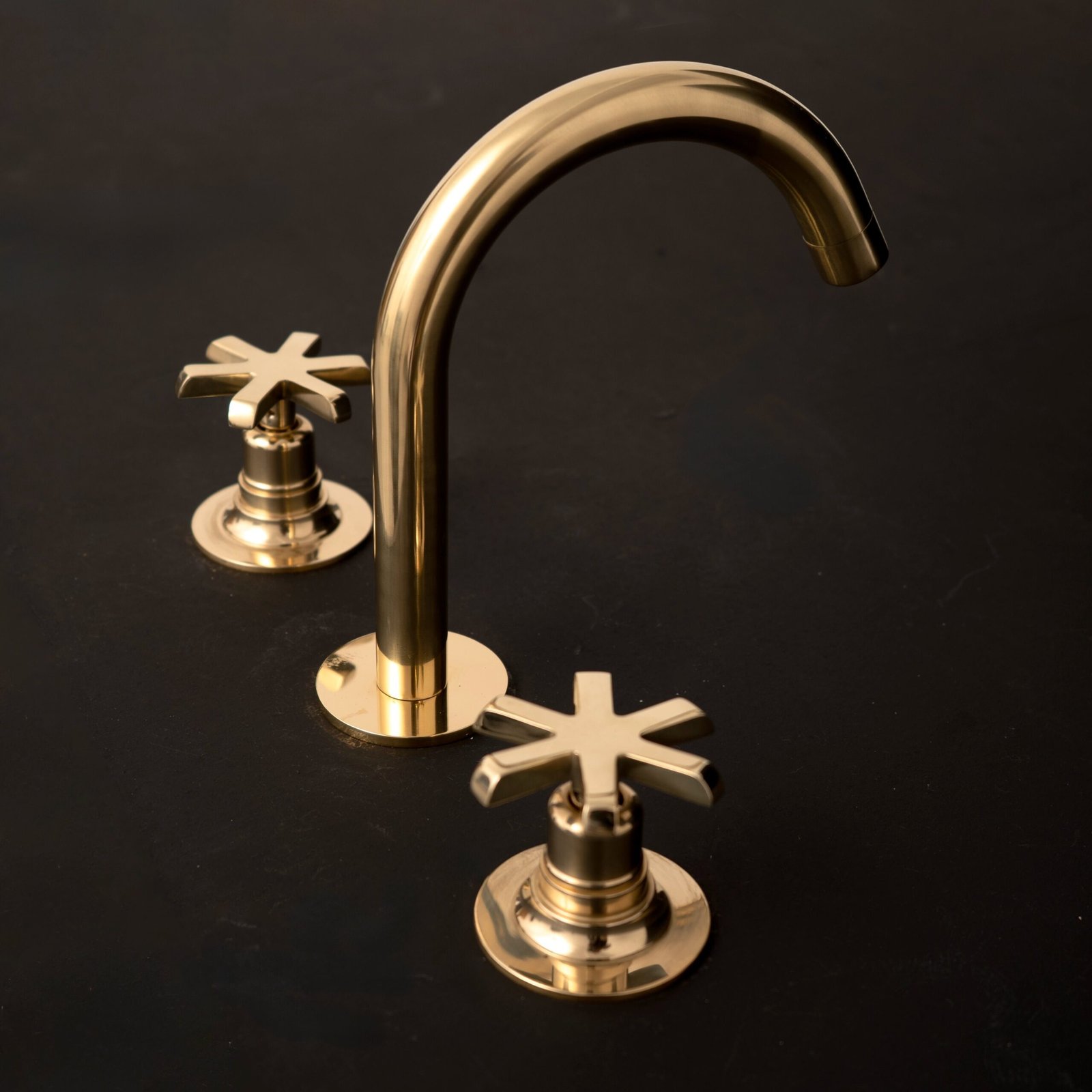
Unlacquered Brass Faucets: Benefits, Patina and Maintenance
Unlacquered brass faucets are becoming a popular choice for homeowners, interior designers, and architects who want a distinctive finish that becomes more beautiful with age. Unlike conventional faucets with a protective lacquer coating, unlacquered brass develops a natural patina as it reacts with air, moisture, water, and everyday use. This evolving appearance gives kitchens and bathrooms a warm, authentic character that manufactured finishes cannot fully reproduce.
Whether you are remodeling a traditional kitchen, designing a modern bathroom, or creating a luxury interior with natural materials, unlacquered brass faucets offer a balance of timeless style, material character, and long-term appeal.
At Brassena, homeowners can explore premium brass fixtures designed to complement elegant kitchens and bathrooms. Understanding the benefits, patina development, cleaning methods, and installation considerations of unlacquered brass will help you determine whether this distinctive finish is right for your home.
In this guide, we explain what unlacquered brass faucets are, why they are valued in residential design, how their patina develops, and how to maintain them properly.
What Are Unlacquered Brass Faucets?
Unlacquered brass faucets are fixtures made with a brass surface that has no clear protective lacquer coating. Brass is an alloy primarily composed of copper and zinc, valued for its warm golden color, workability, and suitability for decorative plumbing fixtures.
On a lacquered brass faucet, a transparent coating separates the metal from the surrounding environment. This coating helps preserve a more consistent appearance by slowing the surface reactions that cause discoloration.
Unlacquered brass works differently. Because the metal is exposed, its surface gradually responds to its surroundings. The finish may become darker in areas that receive frequent handling, develop subtle variations around the handles, or acquire deeper tones where water droplets regularly collect.
These changes are not necessarily signs of damage. They are part of the natural aging process that makes unlacquered brass a living finish.
For homeowners who appreciate authentic materials, this evolving appearance can become an important design feature rather than something to eliminate.
Benefits of Unlacquered Brass Faucets
1. A Natural Patina That Develops Over Time
One of the most distinctive advantages of unlacquered brass faucets is their ability to develop a unique patina.
When exposed to air, moisture, and everyday contact, brass gradually changes color. Depending on the alloy, surface preparation, water chemistry, and surrounding conditions, the finish may shift from bright golden brass toward warmer brown, muted gold, or darker antique tones.
Each faucet ages differently. A kitchen faucet that is frequently handled may develop a different appearance from a guest bathroom faucet that is used only occasionally.
This variation gives the fixture an individual character. Instead of remaining visually identical to the day it was installed, the faucet evolves alongside the home.
2. Timeless Appeal for Kitchens and Bathrooms
Brass has a long history in architectural hardware, plumbing fixtures, and decorative interiors. Its warm metallic appearance complements both traditional and contemporary spaces.
Unlacquered brass faucets work particularly well with:
- White marble and quartz countertops.
- Natural stone vessel sinks.
- Warm wood cabinetry.
- Cream, beige, and off-white tiles.
- Deep green, navy, and charcoal finishes.
- Handmade ceramic tiles and textured wall surfaces.
In a contemporary kitchen, an unlacquered brass faucet can soften clean lines and introduce warmth. In a traditional bathroom, it can reinforce the character of marble, decorative molding, and classic cabinetry.
For more inspiration, visit the Brassena website to explore premium fixtures and discover styles that suit your interior design preferences.
3. No Lacquer Coating to Maintain
Traditional lacquered brass relies on its protective surface coating to maintain a relatively consistent color. If the coating becomes scratched, worn, or damaged, the appearance can become uneven, and refinishing may be required.
Unlacquered brass does not depend on that clear coating. Its natural surface is intended to change over time.
This does not mean the faucet requires no maintenance. Water spots, soap residue, fingerprints, and mineral deposits can still accumulate. However, homeowners do not need to preserve an intact lacquer layer to enjoy the intended living finish.
The key is to understand that a changing appearance is part of the product’s design rather than automatically treating every color variation as a defect.
4. Long-Term Value When Quality Materials Are Used
A faucet’s longevity depends on more than its finish. The quality of its base material, internal cartridge, valves, seals, manufacturing, installation, and maintenance all influence performance.
A well-made solid brass faucet can offer substantial long-term value because its primary structural material is brass rather than a less substantial base metal hidden beneath a decorative coating.
However, not every gold-colored faucet is solid brass. Some products use brass-colored plating over other metals, while others combine different materials in different components.
When shopping for unlacquered brass faucets, check the manufacturer’s material specifications. Confirm whether the faucet body is solid brass, what the internal components are made from, and which warranty applies.
Choosing a quality fixture from the beginning can help reduce premature replacement and maintain a cohesive design over the years.
5. A Finish That Becomes Personal to Your Home
The appearance of unlacquered brass changes according to how the fixture is used.
A frequently touched handle may develop darker areas more quickly than the surrounding spout. A faucet near a window may experience different environmental conditions from one installed in a shaded powder room.
These differences make the finish personal to the space.
For homeowners who enjoy natural stone, solid wood, leather, and other materials that develop character over time, unlacquered brass offers a similar design philosophy. The fixture does not need to remain perfectly uniform to look attractive.
6. Versatility Across Interior Design Styles
Although unlacquered brass is often associated with traditional interiors, it can work beautifully in modern spaces.
A simple single-handle faucet can introduce warmth into a minimalist kitchen. A widespread bathroom faucet with separate handles can complement a classic vanity. A wall-mounted design can create a refined focal point against textured tile.
The most successful combinations balance the warm brass finish with the colors and materials around it.
For a coordinated project, explore the Brassena collection of premium brass fixtures and consider how your faucet will work with your sink, cabinet hardware, lighting, and other visible metal finishes.
What Is Patina on Unlacquered Brass?
Patina is the change in a metal’s surface appearance caused by chemical reactions with its environment and by normal use.
On unlacquered brass, the process can produce a range of colors, from soft golden tones to deeper brown shades. Surface changes may be subtle at first and become more noticeable over months or years.
The exact result is difficult to predict because several factors influence the process.
Factors That Affect Brass Patina
Humidity and moisture: Faucets in bathrooms or near sinks are regularly exposed to moisture. These conditions can influence how quickly the surface changes.
Water quality: Hard water can leave calcium and other mineral deposits. These deposits may appear as white marks and should not be confused with the natural patina itself.
Handling: Oils and residues from hands can cause areas around handles and frequently touched surfaces to change differently from less-used areas.
Cleaning products: Certain cleaners can remove surface oxidation, alter the appearance, or damage the finish. Abrasive products and harsh chemicals should generally be avoided unless the manufacturer specifically recommends them.
Ventilation and environmental conditions: Air circulation, temperature, and exposure to other substances can affect the rate and character of surface changes.
Is Patina a Sign of Damage?
Not necessarily. Gradual darkening and color variation are normal characteristics of unlacquered brass.
However, not every surface change should be dismissed as patina. Heavy mineral buildup, pitting, leaking connections, damaged components, or persistent green deposits may require additional attention.
If you notice unusual corrosion, rough surface damage, or a problem with the faucet’s operation, consult the manufacturer or a qualified plumber.
The distinction is important: patina affects the appearance of the exposed metal, while mechanical faults and significant corrosion can affect the fixture’s condition or performance.
Unlacquered Brass vs. Lacquered Brass Faucets
Choosing between lacquered and unlacquered brass comes down to your preferred appearance and willingness to accept natural changes over time.
| Feature | Unlacquered brass | Lacquered brass |
|---|---|---|
| Surface protection | No lacquer coating | Protective lacquer coating |
| Appearance over time | Naturally develops patina | Generally maintains a more consistent color while the coating remains intact |
| Maintenance | Regular gentle cleaning; polishing is optional | Gentle cleaning; coating must be protected |
| Surface variation | Expected and desirable to many owners | Usually less variation until the coating wears |
| Design character | Organic, evolving, lived-in | More uniform and controlled |
| Best suited for | People who appreciate natural aging | People who prefer a consistent finish |
Neither option is universally better. If you want your faucet to maintain a similar golden appearance, a suitable lacquered finish may be the better choice. If you prefer natural character and accept changing color, unlacquered brass may be ideal.
Before purchasing, check the specific product’s finish description. Terms such as “brushed brass,” “antique brass,” and “living brass” do not always indicate the same surface treatment.
How to Clean Unlacquered Brass Faucets
Proper maintenance helps keep unlacquered brass attractive without unnecessarily removing its natural patina.
The simplest approach is usually the best: clean gently, remove residue promptly, and dry the surface after use.
Step 1: Use a Soft Microfiber Cloth
Wipe the faucet with a clean, soft microfiber cloth to remove fingerprints, dust, and light water residue.
Avoid steel wool, scouring pads, rough sponges, or other abrasive materials that could scratch the surface.
Step 2: Clean With Warm Water and Mild Soap
For routine cleaning, use warm water with a small amount of mild dish soap.
Dampen a soft cloth, gently wipe the surface, and pay attention to areas around the handle bases and spout. Avoid soaking the fixture unnecessarily or allowing cleaning solution to remain on the metal.
Step 3: Rinse Away Soap Residue
Use a separate cloth dampened with clean water to remove any remaining soap.
Residue can leave streaks or dull-looking patches as the water evaporates. Thorough rinsing helps prevent these marks.
Step 4: Dry the Faucet Thoroughly
Use a clean, dry microfiber cloth to remove moisture, especially around the spout, handles, and joints.
Drying is particularly helpful in areas with hard water because it reduces the accumulation of mineral spots.
Step 5: Follow the Manufacturer’s Care Instructions
Different brass alloys and surface treatments may respond differently to cleaning agents.
Before using a specialized brass cleaner or polish, check whether it is appropriate for your faucet’s finish. When uncertain, test a compatible product on a small, inconspicuous area first.
For additional product and design information, visit Brassena.
How to Restore the Original Golden Shine
Some homeowners enjoy watching brass darken naturally. Others prefer to restore its brighter golden appearance occasionally.
Unlacquered brass gives you the option to polish the exposed surface, provided you use a product suitable for the specific fixture.
A brass polish may remove some surface oxidation and reveal a brighter finish underneath. After polishing, the brass will gradually develop patina again as it reacts with the environment.
Keep in mind that polishing changes the appearance of the metal. It can create a contrast between newly polished areas and surfaces that have retained their darker patina.
If you want an even appearance, follow the product instructions carefully and treat the relevant surfaces consistently. Avoid aggressive polishing, which can create scratches or alter the finish.
Do not assume that lemon juice, vinegar, baking soda, or other household remedies are automatically safe. Acidic ingredients and abrasive mixtures may affect brass differently depending on their concentration and application. A manufacturer-approved cleaner is generally the safer starting point.
Common Mistakes to Avoid When Maintaining Brass Faucets
Even high-quality fixtures can lose their appeal if they are cleaned incorrectly.
Avoid these common mistakes:
Using abrasive cleaning tools. Rough pads and powders can scratch the surface and create uneven-looking areas.
Applying harsh chemicals. Bleach, strong acids, ammonia-based cleaners, and aggressive descalers may damage the finish or nearby materials. Follow the manufacturer’s instructions.
Leaving water droplets to dry repeatedly. Mineral-rich water can produce persistent deposits that require additional cleaning.
Polishing too frequently. Constant polishing prevents the patina from developing and may create inconsistent results.
Treating every dark spot as a defect. Gradual color variation is normal for a living finish, although pitting and unusual deposits should be investigated.
Ignoring leaks or loose fittings. A beautiful finish cannot compensate for a faulty cartridge, worn seal, or poor installation. Mechanical issues should be addressed promptly.
A consistent routine of gentle cleaning and drying is usually more effective than frequent intensive maintenance.
Where Do Unlacquered Brass Faucets Work Best?
Unlacquered brass is versatile, but it is particularly effective in spaces where its changing finish complements the surrounding materials.
Kitchen Sinks
An unlacquered brass kitchen faucet can introduce warmth into a white, cream, or natural-stone kitchen. Bridge faucets and high-arc designs are popular options for traditional and transitional spaces.
Because kitchen faucets are handled frequently, the patina may develop more noticeably around the handles and spout. Homeowners should expect this variation rather than anticipate a permanently uniform finish.
Bathroom Vanities
At a bathroom vanity, brass creates contrast against ceramic sinks, marble countertops, and wood cabinetry.
A widespread faucet can complement a classic interior, while a single-hole or wall-mounted faucet can suit a cleaner contemporary design.
Choose the configuration according to the sink’s mounting holes, countertop layout, and plumbing access.
Powder Rooms
Powder rooms are an excellent setting for distinctive materials because a single faucet can become a visual focal point.
Pairing unlacquered brass with patterned tile, a sculptural vessel sink, or a decorative mirror can create an elegant space without requiring extensive ornamentation.
Luxury and Boutique Interiors
Designers may choose unlacquered brass for residences, boutique hospitality projects, and carefully coordinated renovations where material character is part of the overall concept.
For these applications, consider the finish across all visible fixtures and hardware. A cohesive material palette can make the space feel intentional even when individual brass pieces develop different levels of patina.
How to Choose the Right Unlacquered Brass Faucet
Before buying an unlacquered brass faucet, evaluate more than its appearance.
Check the Material
Confirm whether the faucet body is solid brass or another material with a brass-colored finish. Ask about the internal components as well as the visible exterior.
Select the Right Configuration
Common options include single-hole, widespread, bridge, deck-mounted, and wall-mounted faucets. The right design depends on your sink, available mounting space, and plumbing connections.
Review Dimensions and Installation Requirements
Measure the sink, countertop, mounting holes, and available clearance. Check the spout reach and height to ensure the water flows into the correct area of the basin.
For wall-mounted faucets, verify the rough-in requirements and installation depth before finishing the wall.
Understand the Finish
Confirm that the faucet is genuinely unlacquered and intended to develop a natural patina. A product described simply as gold, brushed brass, or antique brass may have a different finish system.
Consider Maintenance Preferences
If you prefer a perfectly consistent golden color, a living finish may not meet your expectations. If you appreciate natural aging and are comfortable with occasional gentle cleaning, unlacquered brass can be a rewarding choice.
Review Warranty and Support
Check the warranty, cartridge specifications, replacement-part availability, and care instructions before purchasing.
To compare styles and explore options for your renovation, visit the Brassena official website.
Frequently Asked Questions About Unlacquered Brass Faucets
Do unlacquered brass faucets turn dark?
Yes. Unlacquered brass can gradually become darker as the exposed metal reacts with air, moisture, and everyday handling. The exact color and rate of change depend on the environment, alloy, and maintenance routine.
Do unlacquered brass faucets require special cleaning products?
Not usually. Warm water, mild dish soap, and a soft cloth are often sufficient for routine cleaning. Always check the manufacturer’s care recommendations before using brass polish or specialized cleaners.
Can I keep my unlacquered brass faucet shiny?
Yes. Appropriate brass polish can restore some of the original golden appearance. However, the surface will naturally develop patina again over time.
Are unlacquered brass faucets durable?
A well-manufactured faucet made from quality materials can provide long service. Durability also depends on its internal components, water conditions, installation, and maintenance. The unlacquered finish itself is designed to change rather than remain visually unchanged.
Are unlacquered brass faucets suitable for modern bathrooms?
Absolutely. Their warm tones complement contemporary materials such as concrete, natural stone, minimalist cabinetry, and neutral tiles. Simple faucet silhouettes are especially effective in modern interiors.
What is the difference between patina and tarnish?
The terms are sometimes used interchangeably in everyday conversation. Patina generally refers to the surface changes that develop naturally over time, while tarnish often describes discoloration caused by surface reactions. Both can occur on exposed brass. The important distinction is whether the change is a normal surface characteristic or evidence of damaging corrosion.
Can I remove the patina completely?
You can often remove some surface oxidation through appropriate polishing, revealing brighter brass underneath. Complete or uniform restoration may be difficult, especially on intricate fixtures, and the patina will return naturally.
Are unlacquered brass faucets a good long-term investment?
They can be, particularly for homeowners who value material quality, timeless design, and natural aging. Compare the product’s construction, price, warranty, and maintenance requirements rather than choosing on finish alone.
Conclusion: Embrace the Beauty of Unlacquered Brass Faucets
Unlacquered brass faucets offer a distinctive combination of warmth, timeless design, and natural character. Their defining feature is the patina that develops as the exposed metal responds to everyday use and its environment.
The main benefits include an evolving appearance, compatibility with a wide range of interior styles, and the ability to maintain the exposed brass without relying on a lacquer coating. The trade-off is that the finish will not remain perfectly uniform, and homeowners must be comfortable with its changing appearance.
With gentle cleaning, regular drying, suitable maintenance products, and proper installation, a quality brass faucet can remain an attractive part of your kitchen or bathroom for years.
If you are planning a renovation or looking for a distinctive finishing touch, explore Brassena for premium brass fixtures and inspiration for creating a space that balances craftsmanship, material character, and timeless style.
Blog
Get fresh home inspiration and helpful tips from our interior designers